








You Might Also Like


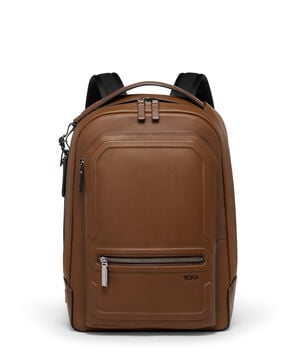
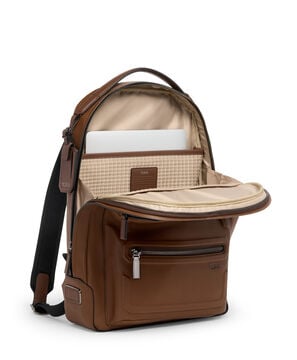
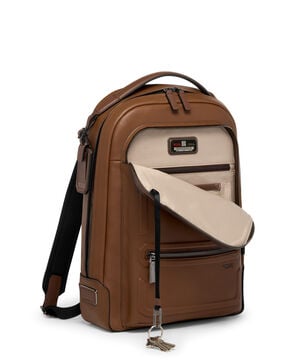
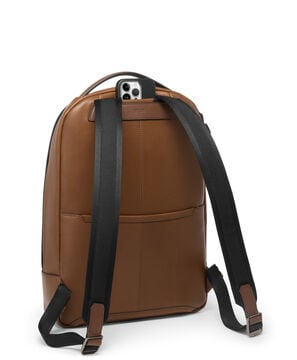
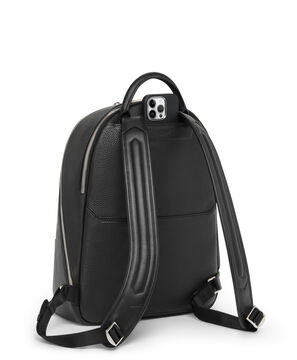
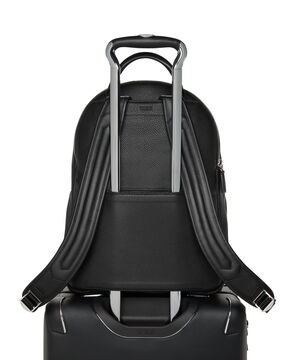
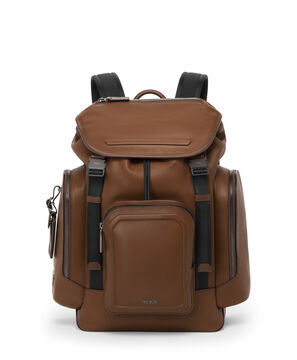
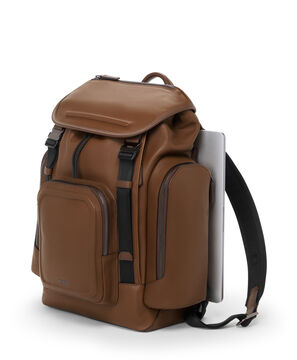
Leather backpacks, made to age well
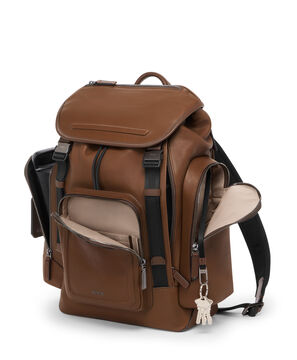
Leather changes as you carry it. A new leather backpack looks its most uniform on the day you buy it, and from there it starts to record how you use it: softening where it folds, gaining depth where your hands rest, and settling into a shape that belongs to you rather than to the pattern it was cut from. It is the reason people choose leather, and the reason they keep it.
What to expect from leather
A finish that develops
Leather takes on a patina with use. Colour deepens, the surface gains variation, and small marks become part of the finish rather than damage to it. No two bags age the same way, because no two people carry them the same way.
Different finishes, different character
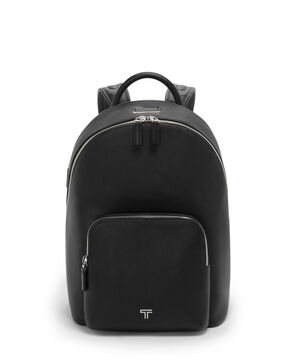
A pebbled grain holds its texture, so everyday marks tend to blend in. A smoother finish shows the material most clearly and develops more visibly with use. Woven leather brings pattern and depth of its own. The finish you choose sets how the bag will look in five years as much as how it looks today.
Structure that holds
Leather has enough body to keep a defined shape, which is why a leather rucksack reads as considered rather than casual even when it is only half full. It also means the bag stands up on its own rather than slumping when you set it down.
Flap or zip
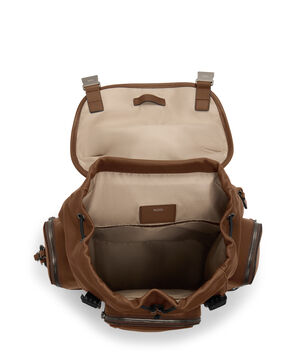
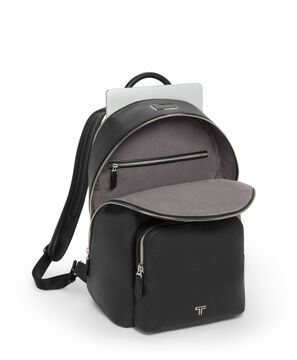
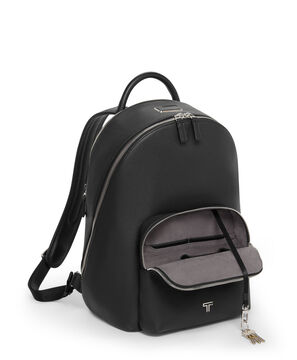
Closure changes both the look and the way you use the bag. A flap closure gives a softer, more traditional silhouette and covers the opening completely, which suits anyone who wants the bag to read as relaxed. A zip is quicker to open one-handed and keeps the contents fully secured, which tends to suit busier days and crowded transport. Neither is more formal than the other; they simply behave differently.
Caring for leather
Leather asks for a little attention, and returns it. Wipe the surface with a soft, dry cloth to lift dust before it settles into the grain, and let the bag dry naturally at room temperature if it gets wet rather than putting it near a radiator. Store it upright and loosely filled rather than folded flat, so the shape holds.
Cleaning and conditioning
There is a difference between dirt and patina. Marks that come from use are part of the finish and are best left alone, but spills and ground-in dirt are worth dealing with properly. A leather cleaner lifts those without stripping the surface, and a leather conditioner used afterwards keeps the material supple and maintains its colour. Apply conditioner with a soft cloth in circular motions and wipe away any excess with a fresh one. Used every few months, and after any cleaning, it is the single most useful thing you can do for a leather bag.
Explore the wider TUMI backpack range
If leather is not the right material for how you carry, these categories cover the alternatives.
- FXT Ballistic Nylon backpacks: our most durable fabric, for a bag that holds up to constant use.
- Nylon backpacks: lightweight with a subtle sheen and an understated finish.
- Laptop backpacks if a dedicated device compartment is your first requirement.
- Travel backpacks for journeys, airports and working away from your desk.
- All backpacks to see the full range in one place.
Designed to be kept
A leather backpack rewards being kept rather than replaced, because the way it ages is part of what you bought. Every TUMI backpack is built for that, and when something does eventually need attention, our repair network services individual components rather than replacing the bag.
FAQ
Does a leather backpack wear well over time?
Yes, that is the point of leather rather than a risk of it. The surface softens where the bag folds, gains depth where your hands rest, and gathers small marks that become part of the finish rather than flaws in it. This is called a patina, and it is unique to each bag because it records how that particular bag has been carried. A leather rucksack used for years looks different from one bought yesterday, and for most owners that is exactly the appeal. If you would prefer a material that stays closer to how it arrived, a ballistic nylon or nylon backpack will suit you better.
How do I clean and care for a leather backpack?
Routine care is straightforward and makes a real difference over years. Wipe the surface with a soft, dry cloth to lift dust before it works into the grain, and pay attention to the areas that see the most contact, such as the base and the straps. If the bag gets wet, let it dry naturally at room temperature rather than using direct heat, which dries leather out. For spills or ground-in dirt, use a leather cleaner made for the material, then follow with a conditioner to restore suppleness and colour. Store the bag upright and loosely filled so it keeps its shape, and leave the marks that come from use alone, since those are the patina rather than dirt.
Can I use a leather backpack in the rain?
Leather handles ordinary weather perfectly well, and a shower on the walk from the station is nothing to worry about. What matters is what you do afterwards: wipe the surface down and let the bag dry naturally at room temperature, away from radiators and direct heat. Prolonged soaking is worth avoiding where you can, since water can leave marks as it dries and repeated saturation is harder on the material than a single wetting. If you are regularly out in heavy rain for long periods, ballistic nylon is the more practical everyday choice. For most people in most conditions, leather is entirely usable.
Which leather finish should I choose?
It depends on how visible you want the ageing to be. A pebbled grain has texture built into the surface, so everyday marks tend to blend in and the bag keeps a consistent look for longer. A smoother finish shows the material most clearly and develops a more noticeable patina, which is the choice if you want to see the bag change. Woven leather brings pattern and depth of its own, and reads as more distinctive without needing additional detailing. All of them age, so the question is how you want that to look rather than whether it will happen.
Is a leather backpack practical for everyday use?
Yes, and daily use is what suits it best. Leather needs to be carried to develop properly, so a bag kept for occasional use never becomes what it could be. It has enough body to hold its shape when half empty, which keeps it looking considered on a commute, in a meeting or across a weekend. The practical questions are the same as for any backpack: check that the organisation matches what you carry, and that the capacity suits your day. If you need something for constant heavy use in all weathers, a ballistic nylon backpack is the more practical option.